Richocean Is China’s Trusted Supplier Of
Windows And Doors Manufacturer
The STC you bought is the STC of the test chamber — the room has the STC of the seal, the gap and the alignment
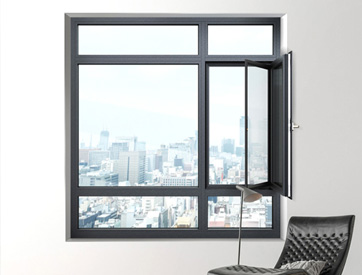
Request a Quote →The acoustic rating of the soundproof window is a test number, and the test number is the number of the window in the test chamber, on the day it was tested, in the condition it was tested in, and the window in the room is not that window, and the window in the room is the window that has been open and closed, and opened and closed on the dust and the grit and the humidity, and the window in the room is the window whose seal has been in the sun and the cold and the heat for the years, and the window in the room is the window whose sash has been aligned and misaligned by the hardware that has been used, and the rating of the window in the room is the rating of the window in the test chamber minus the decay, and the decay is the difference between the number the buyer bought and the performance the room has, and the soundproof window that is not performing is not the window that is not the window, and it is the window that is the window, and it is the window that has decayed.
The reason the decay is the thing to understand is that the acoustic performance of the window is not one thing, and it is the glass and the seal and the gap and the alignment, and the glass is the element that does not decay, and the laminated and the tempered and the insulated unit is the glass that holds the acoustic property, because the acoustic property of the glass is in the mass and in the lamination, and the mass and the lamination are in the glass, and the glass does not wear, and the glass does not harden, and the glass does not misalign, and the glass is the element that is the same in the test chamber and in the room, and the three other elements are the three that decay, and the seal that hardens, and the gap that widens, and the alignment that drifts, and the three are the decay, and the decay is the difference.
The mass law is the reason the glass is specified, and the mass law is the reason the heavy glass is the quiet glass, the acoustic mass that is the resistance of the glass to the sound, and the heavy pane is the pane the sound does not move, and the laminated pane is the pane the lamination damps, the interlayer that is the damping of the glass, and the glass is the element the mass law is, and the glass is the element that holds, for the reason the mass and the damping are in the glass, and the glass is the thing that does not leave the glass. The seal and the gap and the alignment are the elements the mass law is not, and the three are the elements the flanking is, and the flanking is the path the sound takes around the glass, and the seal is the element that closes the path, and the gap is the element the path is, and the alignment is the element that closes the gap, and the three are the decay, and the decay is the difference between the number and the room.
The decay is four paths, and the four are the seal, the gap, the alignment and the glazing, and the three of them are the three that take the number down, and the glazing is the one that holds the number, and the table is the working form of the four, and the four are the four the inspection is built on, because the inspection of the soundproof window is the inspection of the three that decay, and not the inspection of the one that holds.
| Decay Path | What Decays | The Mechanism | What the Room Feels |
|---|---|---|---|
| The seal, the EPDM or the VMA | The compression and the elasticity, the seal hardens and cracks and perishes under the UV and the temperature cycle | The seal that is compressed is the seal that is the gap closed, and the seal that is hardened is the seal that is not the compression, and the seal that is cracked is the seal that is the gap open, and the EPDM is the material that lasts and not the material that is forever | The high frequency first, the traffic and the air and the voices, the frequency the seal is the element for, and the room that is the room the high frequency is back in |
| The gap, the meeting and the perimeter | The width of the gap, the gap widens with the settlement and the hardware wear and the frame movement | The gap is the flanking path, and the sound is the thing that takes the path of the least resistance, and the 1 mm gap is the gap the number is not, and the gap that widens is the gap the number falls through | The low and the mid, the engine and the music and the rumble, the frequency the gap is the element for, and the room that is the room the low is back in |
| The alignment, the sash to the frame | The square of the sash, the sash that meets square stops meeting square as the hinge and the stay and the lock wear | The sash that is the square is the sash the seal is the compression at, and the sash that is the not square is the sash the seal is the gap at, one side tight and the other side open, and the alignment is the thing the hardware is | The uneven, the side of the room the sound is louder on, the side the sash is the not square on, and the room that is the room the alignment has drifted in |
| The glazing, the pane and the interlayer | The mass and the lamination, and the two are in the glass, and the glass does not decay in the room | The glass that is the mass and the damping is the glass that holds, and the glass that is the failed insulated unit is the glass the inter-pane is, and the haze in the unit is the haze the glass is not the glass for | The one the room does not feel, and the one the room feels only if the unit is the failed one, and the failed one is the one the replacement is |
The table is the reason the inspection is the inspection of the three, and not the inspection of the one, because the three are the three that decay, and the one is the one that holds, and the inspection of the glass is the inspection that finds the failed unit, and the inspection of the seal and the gap and the alignment is the inspection that finds the decay, and the decay is the difference, and the difference is the thing the maintenance is for.
The mass law is the law of the glass, and the glass is the pane, and the pane is the element the sound has to move, and the pane that is the heavy is the pane the sound does not move, and the mass law is the reason the acoustic glass is the acoustic glass, and the mass law is the law the number is. But the window is not the pane, and the window is the pane and the seal and the gap and the alignment, and the sound is the thing that does not take the pane, and the sound is the thing that takes the gap, and the gap is the flanking, and the flanking is the path around the mass, and the mass is the element the sound does not take, and the gap is the element the sound takes, and the window that is the rated window is the window the gap is closed at, and the window that is the decayed window is the window the gap is open at, for the reason the sound is the thing that takes the least resistance, and the least resistance is the gap, and the gap is the millimetre, and the millimetre is the number.
The number the buyer bought is the number of the window in the test chamber, and the test chamber is the chamber the gap is the test gap, and the test gap is the gap the window is built to, and the gap in the room is the gap the window has decayed to, and the two are the two gaps, and the number of the room is the number of the test gap minus the number of the decay, and the decay is the millimetre, and the millimetre is the difference, and the difference is the thing the buyer did not buy, and the thing the maintenance is for, because the maintenance is the thing that closes the millimetre, and the millimetre that is closed is the number the room is back at.
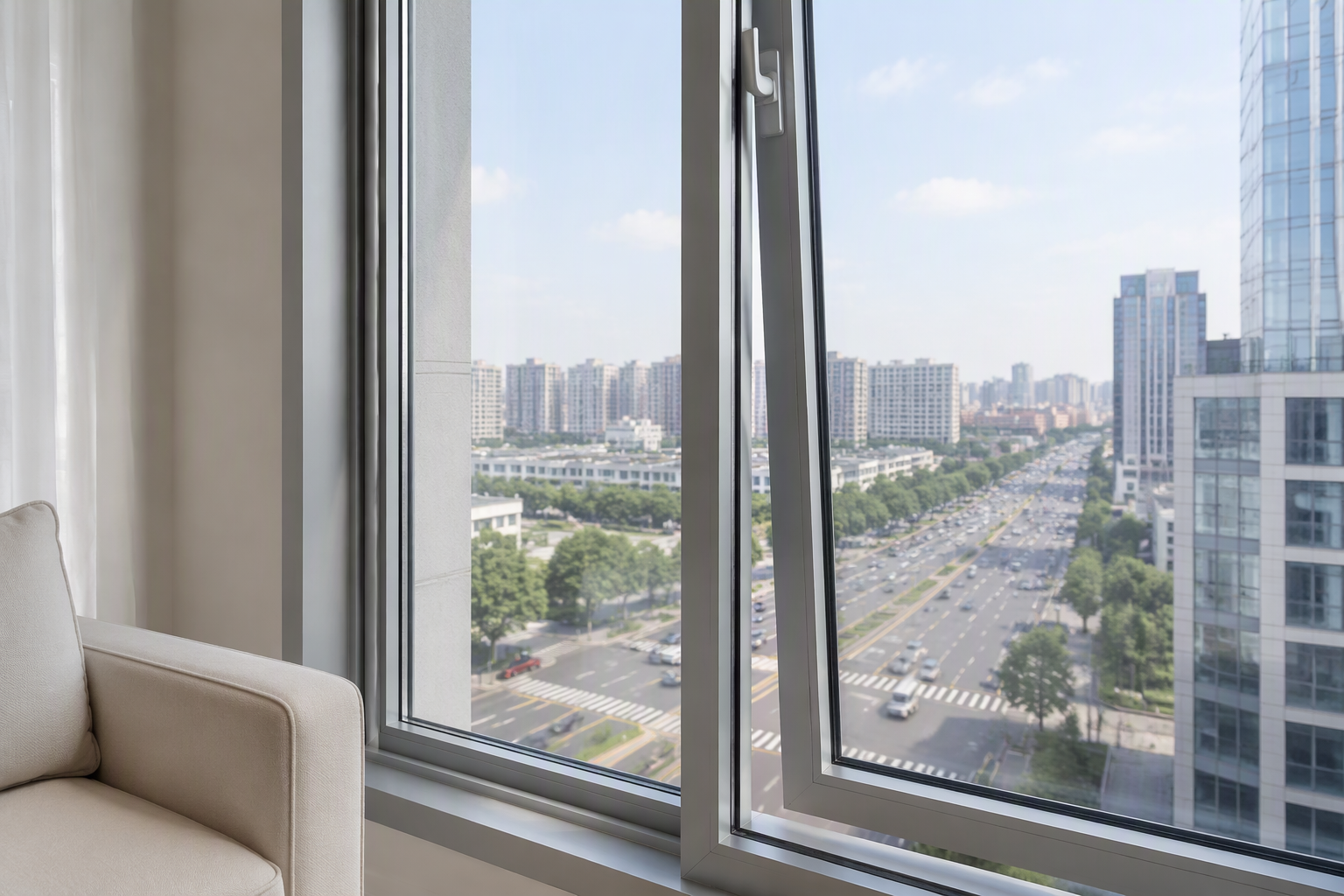
The inspection of the soundproof window is the inspection of the three that decay, and the three are the seal, the gap and the alignment, and the three are the three the hand and the eye and the light find, and the three are the three the instrument does not need, and the instrument is the one that measures the number, and the three are the ones that find the decay, and the decay is the thing the three are for.
The daylight test is the test the eye is, and the daylight test is the test where the room is dark and the window is closed and the light is the light outside, and the light that is in the room is the light through the gap, and the light that is in the room is the gap, for the reason the light is the thing that takes the path the sound takes, and the light that is the line in the dark room is the line the sound is, and the daylight test is the test the gap is found by, and the daylight test is the test the 1 mm is seen by, and the 1 mm is the millimetre the number is, and the daylight test is the inspection that is the inspection, because the light is the sound you can see, and the sound you can see is the sound you can close.
The felt pen test is the test the hand is, and the felt pen test is the test where the pen is drawn along the meeting of the sash and the frame, and the pen that is caught is the pen the seal is the compression at, and the pen that is not caught is the pen the seal is the gap at, and the pen that is caught on one side and not the other is the pen the alignment is the drift at, and the felt pen test is the test the seal and the alignment are found by, and the felt pen is the test the hand is, and the hand is the test the eye does not reach. The compression check is the check the seal is, and the compression is the seal that is the seal, and the seal that is the compression is the seal that is the gap closed, and the seal that is the not compression is the seal that is the gap open, and the compression is the check the EPDM is, and the EPDM that is the hard is the EPDM that is the replace, for the reason the EPDM is the consumable, and the consumable is the thing the schedule is for.
The maintenance of the soundproof window is the maintenance of the three that decay, and the three are the seal, the gap and the alignment, and the schedule is the schedule the three are reached by, and the schedule is set by the exposure, the window on the traffic side is the window the dust and the grit and the heat are, and the window is the window the seal is the perish by, and the window on the quiet side is the window the seal is the slower on, and the two are the two schedules, and the schedule is the thing the decay is reached by, because the decay that is reached is the decay that is closed, and the decay that is not reached is the decay that is the number the room is.
| Interval | Tasks | Why Now |
|---|---|---|
| Every 6 months | The daylight test at the meeting and the perimeter, the felt pen at the seal, the compression check, the clean of the seal and the channel of the dust and the grit | The 6-month is the interval the seal is the perish by on the traffic side, and the dust and the grit are the thing the seal is the compression lost to, and the clean is the compression the seal is back at |
| Annually | The alignment check, the hinge and the stay and the lock adjusted to the square, the seal that is the hard is the replace, the record in the building's file | The annual is the interval the alignment is the drift found by, and the drift is the thing the adjustment is, and the adjustment is the thing the SIEGENIA and the ROTO and the HOPO hardware is, and the record is the thing the number is |
| At the seal replacement cycle, 3 to 5 years on the exposed side | The EPDM is the replace, the full perimeter and the meeting, the seal that is the rated seal is the seal the number is back at | The 3-to-5-year is the life the EPDM is on the exposure, and the replace is the thing the number is back at, because the seal that is the rated seal is the seal the number is |
| When the number is the question | The on-site measurement, the EN ISO 16283-1, the number the room has against the number the window was | The on-site is the measurement the decay is the number of, and the number is the thing the maintenance is the result of, and the result is the thing the file is |
The schedule is the thing the decay is reached by, and the schedule that is the schedule is the schedule the number is back at, for the reason the decay that is reached is the decay that is closed, and the three are the three the schedule is, and the schedule is the thing the soundproof window is the soundproof window by.
Two honest points, because they are the ones the buyer does not know and the maintenance catches. The first is that the lab number and the as-built number are the two different numbers, and the lab number is the number of the window in the test chamber, and the as-built number is the number of the window in the room, and the two are the two different, because the window in the room is the window the installation is, and the installation is the thing the test chamber is not, and the window that is the lab number in the test chamber is the window the as-built number is in the room, if the installation is the installation, and the installation that is the seal and the gap and the alignment at the build, and the installation that is not is the window the number is not, for the reason the window is the seal and the gap and the alignment, and the three are the thing the installation is, and the installation that is the three is the window the number is, and the installation that is not is the window the number is not. The lab number is the number the window can be, and the as-built number is the number the window is, and the two are the two the buyer should know, and the buyer who knows the two is the buyer who knows the maintenance is the thing the as-built number is.
The second honest point is that there is no dedicated international standard that sets the acoustic maintenance interval of the window, and the interval is the interval the building's own maintenance regime is, and the regime is the regime the exposure and the duty set, and the soundproof window is the window the duty is the acoustic, and the duty is the thing the interval is, and the interval that is not named is the interval the decay is not reached by, and the decay that is not reached is the decay that is the number the room is. The standards that are named are the standards of the measurement, the EN ISO 10140 the lab and the EN ISO 16283-1 the on-site, and the two are the two the number is, and the two are the two the maintenance is checked by, and the interval is the one the building names, and the names is the one the specification should carry, and the specification that carries the interval is the specification the soundproof window is the soundproof window by.
The case the decay is found in is the apartment on the street, and the apartment is the apartment the soundproof window is, because the street is the street the traffic and the engine and the voice are, and the window is the window the street is, and the apartment that is the quiet apartment is the apartment the window is the rated window, and the apartment that is the apartment the noise is back in is the apartment the window is the decayed window, and the two are the two apartments, and the two are the two the seal and the gap and the alignment are.
The apartment on the street is the apartment the daylight test is, because the apartment is the apartment the dark is, and the dark is the dark the line is seen at, and the line is the line the gap is, and the apartment where the line is the line the meeting is, is the apartment the alignment is the drift at, and the apartment where the line is the line the perimeter is, is the apartment the seal is the hard at, and the two are the two the felt pen is, and the felt pen is the felt pen the compression is, and the compression is the compression the replace is. The apartment on the street is the apartment the schedule is, because the apartment is the apartment the exposure is, and the exposure is the exposure the 6-month is, and the 6-month is the 6-month the daylight test is, and the daylight test is the daylight test the number is back at, for the reason the decay that is reached is the decay that is closed, and the closed is the closed the quiet is, and the quiet is the quiet the apartment is the apartment for.
| Standard | Scope | Used For |
|---|---|---|
| EN ISO 10140-2 / -3 | The laboratory measurement of the air sound insulation | The lab number the window is, the Rw and the number the test chamber is |
| EN ISO 16283-1 | The on-site measurement of the air sound insulation | The as-built number the room is, the number the installation is, and the number the maintenance is checked by |
| STC / OITC, the ASTM E413 and E914 | The sound transmission class and the on-site rating, North America | The two numbers the North American destination reads, the lab and the as-built, the two the maintenance is the difference of |
| EN 14351-1 | Windows and doors, the product standard | The window the acoustic build is declared under, the performance the unit carries |
| AS 2047 / AS 3560 | The glazing marking and the acoustic of the building, Australia | The marking and the acoustic the Australian destination reads, the build on the pane and the number on the room |
| Configuration | Basis | Indicative FOB (USD) |
|---|---|---|
| Soundproof window, the laminated insulated unit, standard seal | 6063-T5/T6, the reference acoustic window | $220-380 /m² |
| Rated acoustic seal set, the EPDM at the compression | The meeting and the perimeter, the seal the number is | +$15-35 /m linear |
| Low-E on the acoustic unit | The thermal the acoustic is not, the two on one unit | +$25-55 /m² |
| The heavier pane, the mass step up | The glass the mass law is, the low frequency the number is | +$30-70 /m² |
| The PA66-GF25 thermal-break frame | The thermal the acoustic is the two on | +$30-70 /m² |
| SUS316 fixing set | The coastal the frame is the alignment holds at | +$20-50 /window |
| Laboratory report, the EN ISO 10140 | The lab number the window is, the STC and the OITC | +$600-1,800 /design |
| Acoustic kit (rated seal + heavier pane + alignment hardware) | The three the number is, on the reference window | +$120-280 /m² |
| Replacement seal set, the service order | The consumable the cycle is, the number back at | $8-18 /m linear |
Prices are indicative 2026 factory FOB ranges for project volumes, excluding freight and site installation. The acoustic adders are the ones that convert a window into the soundproof window: the rated seal at the compression, the heavier pane at the mass, the alignment hardware, the Low-E where the thermal is the requirement, and the laboratory report that is the number the window is. The acoustic kit is the price of the three the number is, and the replacement seal set is the price of the cycle the number is back at, and the two are the build and the maintenance, and the build and the maintenance are the two the soundproof window is. Final quotation depends on the rating, the glass build, the seal and the hardware, and the report required. Contact Rogenilan Windows Doors for a window that is the number the room has, not the number the test chamber had.
Almost always the seal, the gap or the alignment, and not the glass, because the glass is the element that does not decay, and the three are the three that do. The daylight test is the test the gap is seen by, and the felt pen is the test the seal and the alignment are found by, and the compression is the check the EPDM is, and the three are the three the hand and the eye and the light find, and the three are the three the maintenance is, and the maintenance that is the three is the maintenance the number is back at, for the reason the decay that is reached is the decay that is closed.
Not first, and it is the honest point. The glass is the element that holds the number, and the number the room has is the number the seal and the gap and the alignment are, and the glass that is upgraded on the seal that is the decayed is the glass the number is not, for the reason the sound takes the gap, and not the glass. The order is the order the inspection is, and the inspection that is the seal and the gap and the alignment is the inspection the upgrade is not, and the upgrade that is the glass is the upgrade the inspection is the result of, and not the upgrade the room is the quiet by.
By the on-site measurement, the EN ISO 16283-1, the number the room is, against the lab number the window was, and the two are the two the difference is, and the difference is the decay, and the decay is the thing the maintenance is the result of. The on-site is the measurement the as-built is, and the as-built is the number the installation is, and the installation is the thing the seal and the gap and the alignment are, at the build and at the maintenance, and the record is the record the file is, and the file is the file the number is.
Yes, and the automation is the layer the decay is the event by. The operable acoustic window in the automated set is the window the SIEGENIA and the ROTO gear is, and the open and the closed and the fault state of the window is reported over RS485/Modbus or KNX to the building management system, so that the window that is the closed not square is the fault the system flags, and not the window the room finds at the season the noise is heavy. The window that is the decay is the window the building sees, and the window the building sees is the window the maintenance is the event, and the event is the event the number is back at.
The rating named, the STC and the OITC, the lab and the as-built · the glass at the mass, the laminated and the Low-E on the insulated unit · the rated EPDM seal at the compression the number is, the consumable the cycle is · the gap at the number, the meeting and the perimeter · the alignment at the square, the SIEGENIA and the ROTO and the HOPO hardware the adjusted is · the 6063-T5/T6 frame, the 1.4-5.0 mm wall, the PA66-GF25 break, the SUS304 minimum and the SUS316 at the coast · the EN ISO 10140 lab report and the EN ISO 16283-1 as-built check · the interval the 6-month and the annual and the 3-to-5-year seal cycle, the decay reached and closed · 2026 FOB pricing with the acoustic kit, in 24 hours.
Request a Quote →Related Articles
Socials

 Casement
Windows
 Sliding
Windows
 Awning
Windows
 Single/Double
Hung Windows
 Tilt
& Turn Windows
 Bay
& Bow Windows
 Folding
Windows
 Picture
Windows
 Specialty
Windows
 Exterior Doors
 Stacking Doors
 Folding
Doors
 Double Doors
 Casement
Doors
 Sliding Doors
 Skylight
 Sunroom
 Garage
Door
 Curtain
Wall
 Glass
Railing