High-Performance Aluminum Picture Windows from Foshan, China: The 2026 B2B Procurement Guide
# High-Performance Aluminum Picture Windows from Foshan, China: The 2026 B2B Procurement Guide
## Introduction: The Evolution of the Aluminum Picture Window in 2026
In the rapidly evolving landscape of global architecture, the **Aluminum Picture Window** has transcended its traditional role as a simple fixed glazing unit. As we move into 2026, the demand for large-span, high-performance architectural glass in both residential and commercial sectors has hit an all-time high. For B2B buyers—importers, developers, wholesalers, and architectural firms—sourcing from **Foshan, Guangdong**, the world's primary hub for aluminum extrusion and window manufacturing, is no longer just about cost-efficiency; it is about accessing cutting-edge technology, superior engineering, and a supply chain that defines global standards.
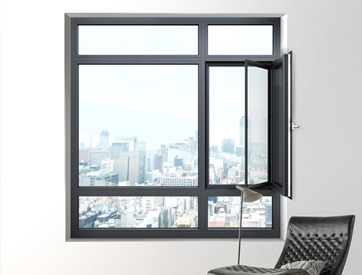
The aluminum picture window, often referred to as a 'fixed window,' is the cornerstone of modern minimalist design. Unlike operable windows, it features no moving parts, which allows for significantly larger glass areas, slimmer frame profiles, and unmatched airtightness. In 2026, these windows are no longer "static" elements. They are sophisticated thermal barriers, acoustic insulators, and even smart-integrated surfaces that contribute to the building's overall energy balance and occupant well-being.
This comprehensive guide provides a deep technical dive into the 2026 standards for aluminum picture windows, focusing on material science, thermal performance, hardware integration, and the economic landscape of the **China** manufacturing sector. We will explore why Guangdong continues to lead the world in aluminum innovation and how B2B professionals can navigate the complexities of sourcing high-spec architectural glazing.
---
## 1. 2026 Global Architectural Trends: The Rise of Minimalist High-Performance Glazing
The architectural trend for 2026 is defined by 'Invisible Boundaries.' Modern designs favor expansive glass surfaces that blur the line between indoor and outdoor spaces. Aluminum picture windows are the backbone of this movement.
### Ultra-Slim Frame Profiles
The 'less is more' philosophy has driven Foshan manufacturers to innovate with high-strength **6063-T6** alloys, allowing for even slimmer sightlines without compromising structural integrity. We are seeing frame widths as narrow as 20mm, providing a panoramic view that was previously only possible with expensive structural glazing. These 'hidden frame' designs allow the window to be recessed into the building envelope, making the transition from wall to glass almost seamless.
### Passive House Standards as Default
With global carbon taxes and stricter building codes (such as the updated Title 24 in California or the Eurocode 7), 'standard' windows are becoming obsolete. Aluminum fixed windows are now expected to meet or exceed Passive House standards (U-values ≤ 0.8 W/m²K). This is achieved through multi-chambered profiles and advanced thermal break technology. The move towards net-zero buildings has made the thermal performance of a fixed window its most critical selling point.
### Smart Glass and Integrated Sensors
2026 marks the mass-market entry of electrochromic (smart) glass in fixed picture windows. Buyers are increasingly requesting integration with building management systems (BMS) to automate tinting based on solar intensity. Furthermore, integrated sensors can now monitor the structural health of the glass or detect attempted breaches, providing an added layer of security for high-end residential and commercial properties.
### Sustainable and Recycled Content
The B2B market is now heavily focused on the Carbon Border Adjustment Mechanism (CBAM) and other ESG requirements. Foshan suppliers are responding by using 'Green Aluminum'—profiles extruded using renewable energy and containing up to 75% recycled content. In 2026, a window's 'Embedded Carbon' profile is as important as its U-value.
---
## 2. Technical Material Specifications: The Core of Quality
When sourcing from **Guangdong**, understanding the metallurgy and extrusion quality is paramount. The strength and longevity of a picture window begin with the alloy itself.
### Aluminum Alloy: 6063-T5 vs. 6063-T6
Aluminum picture windows primarily use the 6063 series alloy due to its excellent surface finish and corrosion resistance. However, the 'temper' (heat treatment) makes a significant difference.
* **6063-T5:** This is the most common temper for architectural aluminum. It is air-cooled after extrusion and artificially aged. It offers a good balance of strength and surface quality for standard residential windows.
* **6063-T6:** To achieve T6 temper, the aluminum is solution heat-treated and then artificially aged. This process results in a significantly higher yield strength and tensile strength.
| Specification | 6063-T5 | 6063-T6 |
| :--- | :--- | :--- |
| **Tensile Strength** | ≥ 160 MPa | ≥ 205 MPa |
| **Yield Strength** | ≥ 110 MPa | ≥ 170 MPa |
| **Hardness (Webster)** | 8-12 HW | 12-15 HW |
| **Application** | Standard residential windows | High-rise, high wind-load zones, ultra-large spans |
For high-performance B2B projects, **6063-T6** is often preferred for picture windows with spans exceeding 3 meters or for projects in hurricane-prone regions to prevent deflection under heavy wind loads.
### Profile Wall Thickness: 1.4mm to 3.0mm
The wall thickness of the aluminum extrusion determines the window's durability and load-bearing capacity. In 2026, the industry has standardized higher minimums:
* **1.4mm - 1.6mm:** Standard for residential use in moderate climates. Often the minimum required for CE compliance in standard settings.
* **1.8mm - 2.2mm:** Heavy-duty residential and commercial applications. This range is typically required for AS2047 compliance in Australia or for NFRC certified products in the US.
* **2.5mm - 3.0mm:** Required for ultra-large picture windows or high-rise coastal projects where wind pressures (KPa) are extreme. These thick-walled profiles provide the necessary rigidity to support massive weights of triple-pane laminated glass.
### Surface Treatment: Durability in 2026
The finish must withstand decades of UV exposure and, in many cases, salt spray.
* **Powder Coating:** Using AkzoNobel or PPG powders, ensuring a 10-20 year warranty.
* **Anodizing:** Provides a metallic look with high scratch resistance, essential for high-traffic commercial areas.
* **Fluorocarbon (PVDF):** The gold standard for coastal environments. Its superior chemical resistance makes it the preferred choice for 2026 high-end exports.
---
## 3. Advanced Thermal Break Technology: PA66GF25 Polyamide
Aluminum is a natural conductor of heat. To ensure energy efficiency and prevent condensation, Foshan's high-end manufacturers use a **Thermal Break** system. This involves inserting a low-conductivity material between the interior and exterior aluminum profiles.
### Why PA66GF25?
The undisputed standard for 2026 is the **PA66GF25** (Polyamide 66 reinforced with 25% glass fiber) thermal strip. Unlike cheaper PVC strips—which can become brittle over time and have a different expansion rate than aluminum—Polyamide has a thermal expansion coefficient nearly identical to aluminum. This ensures:
1. **Structural Integrity:** The window remains stable through decades of seasonal temperature fluctuations (-30°C to +60°C).
2. **Airtightness:** The bond between the strip and the aluminum does not degrade, preventing air leaks.
3. **Mechanical Strength:** PA66GF25 contributes to the overall shear strength of the window profile.
### Multi-Chambered Design and Foam Filling
The thermal break itself has evolved. In 2026, we see:
* **I-Type and C-Type Strips:** Designed to maximize the path heat must travel.
* **Multi-Chambered Strips:** Creating small air pockets within the thermal break to further reduce convection.
* **Insulation Inserts:** High-end units now feature chambers filled with **PE Foam** (polyethylene) or specialized aerogel. This allows a standard 70mm frame to achieve performance levels previously only possible with 90mm or 100mm frames.
---
## 4. High-Performance Glass Solutions: The 'Engine' of the Window
The glass accounts for 80-90% of the surface area of a picture window. In 2026, 'Standard Double Glazing' is no longer the baseline for high-performance projects.
### Low-E (Low Emissivity) Coatings: Beyond the Basics
Low-E glass features a microscopically thin layer of silver or other low-emissivity material.
* **Single Silver Low-E:** Basic thermal improvement.
* **Double Silver Low-E:** Significantly reduces solar heat gain (SHGC) while maintaining high visible light transmission (VLT).
* **Triple Silver Low-E:** The 2026 standard for tropical and desert climates, offering the ultimate protection against solar radiation without the 'dark' look of tinted glass.
### Advanced Glazing Configurations
1. **Standard Double Glazing:** 5mm Tempered + 12A (Argon) + 5mm Tempered Low-E. U-value ~1.6 - 1.8.
2. **Acoustic Laminated:** 6mm Tempered + 1.52PVB (Acoustic) + 6mm Tempered + 12A + 6mm Tempered Low-E. Essential for urban B2B projects near airports or busy roads.
3. **Passive Triple Glazing:** 6mm Low-E + 16Ar + 6mm Clear + 16Ar + 6mm Low-E. Using Argon or even Krypton gas to reach U-values as low as 0.6 - 0.8 W/m²K.
### Warm Edge Spacers
Traditional aluminum spacers act as a thermal bridge, often leading to condensation at the glass edges. For 2026, high-spec picture windows from Foshan utilize **Warm Edge Spacers** (e.g., Technoform or Swisspacer). These are made from composite materials or stainless steel with a plastic coating, reducing heat loss at the perimeter by up to 50%.
---
## 5. Hardware Systems: The Engineering Behind the Fixed Frame
A common misconception is that picture windows don't need 'hardware' because they don't open. In reality, the hardware that secures the glass and integrates the frame into the building is vital for safety and performance.
### Global Premium Brands: Siegenia, Roto, and Hopo
For premium B2B exports from **Foshan**, buyers typically specify world-class hardware to ensure the longevity of the installation.
* **Siegenia (Germany):** Their fixed window solutions focus on advanced pressure-equalization systems and structural glazing clips that ensure even large glass panes (500kg+) remain perfectly positioned.
* **Roto (Germany):** Known for their 'Roto Sil' surface treatment, which provides exceptional corrosion resistance (Grade 5), making them the choice for coastal or industrial environments.
* **Hopo (China/International):** A leader in minimalist hardware design. In 2026, Hopo's 'invisible' drainage systems and ultra-slim profile clips are highly sought after for minimalist aesthetic projects.
### Structural Glazing and Support
Large-span picture windows require internal steel or aluminum reinforcements. The hardware used to connect these reinforcements to the main frame must be precisely engineered to handle the 'dead load' of the glass and the 'wind load' exerted on its surface.
### Sealing Gaskets: The EPDM Standard
The longevity of a window's airtightness depends on the gaskets.
* **EPDM (Ethylene Propylene Diene Monomer):** The industry gold standard for 2026. It retains its elasticity for over 20 years and is highly resistant to ozone and UV degradation.
* **TPE (Thermoplastic Elastomer):** Often used for co-extruded seals in more complex profile geometries.
* **Co-Extruded Foam Gaskets:** These feature a soft foam core and a tough outer skin, providing superior acoustic insulation by filling even the smallest gaps between the frame and glass.
---
## 6. Technical Comparison Table: 2026 Performance Metrics
| Feature | Standard Series | Performance Series | Ultra-Passive Series |
| :--- | :--- | :--- | :--- |
| **Alloy** | 6063-T5 | 6063-T5/T6 | 6063-T6 |
| **Profile Thickness** | 1.4mm | 1.8mm - 2.2mm | 2.5mm - 3.0mm |
| **Thermal Break** | 20mm PA66GF25 | 24mm - 32mm PA66 | 34mm - 54mm Multi-Chamber |
| **Insulation Fill** | None | Optional PE Foam | Aerogel / High-Density Foam |
| **Glass Type** | Double Tempered | Double Low-E (Argon) | Triple Low-E (Argon/Krypton) |
| **U-Value (W/m²K)** | 2.2 - 2.8 | 1.2 - 1.8 | 0.6 - 1.1 |
| **Acoustic Rating** | 30 - 32 dB | 35 - 42 dB | 45 - 52 dB |
| **Wind Load Res.** | Class 3 | Class 4 | Class 5+ (Hurricane Rated) |
---
## 7. Strategic Pros and Cons for B2B Importers
As a B2B buyer, choosing the right window type is a strategic decision that affects the project's bottom line and performance.
### Pros:
1. **Unobstructed Aesthetics:** Fixed windows provide the cleanest lines and the maximum possible glass-to-frame ratio, which is the primary driver for high-end luxury property value.
2. **Superior Energy Efficiency:** Without moving sashes, there are no air-leakage points. This makes picture windows the most efficient window type available.
3. **Low Maintenance:** Zero moving parts means zero mechanical wear. For commercial buildings, this significantly reduces the 50-year life-cycle cost of the building envelope.
4. **Structural Integrity:** Fixed frames can be built to much larger dimensions than casement or sliding windows, which are limited by the weight hardware can carry during operation.
5. **Cost Efficiency (per sqm):** Generally, picture windows are 15-25% cheaper than operable windows of the same size and specification due to the lack of complex operating hardware.
### Cons:
1. **Ventilation Issues:** A room composed entirely of picture windows will require an expensive Mechanical Ventilation Heat Recovery (MVHR) system or integrated 'trickle vents' which can slightly diminish U-values.
2. **Installation Risk:** Large format glass (3m x 6m+) is extremely heavy. In 2026, the cost of specialized glass-handling equipment on-site is a significant factor in B2B project planning.
3. **Accessibility for Cleaning:** In high-rise applications, external cleaning requires permanent window washing systems or expensive robotic cleaners.
4. **Heat Trap Risk:** Without proper Low-E coatings or solar control glass, large picture windows can create a 'greenhouse effect,' drastically increasing cooling loads in summer.
---
## 8. Commercial and Residential Applications in 2026
### Luxury Residential Villas
In regions like the Hamptons (USA), the Gold Coast (Australia), and the Palm Jumeirah (UAE), the 'Glass Wall' is the defining feature of luxury. Foshan manufacturers are now producing 'Extra-Clear' picture windows using low-iron glass to ensure the view is as vivid as possible.
### High-Rise Commercial Facades
The 2026 trend for office buildings is the 'Window Wall' rather than a traditional curtain wall. This involves installing high-strength aluminum picture windows floor-to-ceiling between the concrete slabs. This method is faster to install and allows for better acoustic separation between floors.
### Education and Healthcare
The 'Healing Architecture' movement in 2026 emphasizes natural light. Large picture windows in hospitals and schools are being specified with high acoustic ratings (40dB+) to ensure a quiet environment while maximizing the psychological benefits of daylight.
### Retail Showrooms
Automotive and high-end retail brands use Foshan picture windows for their flagship showrooms. These often require **Hurricane Impact Glass** (SGP Interlayer) to protect valuable inventory while maintaining a perfectly transparent facade.
---
## 9. Global Quality Certifications: Ensuring Compliance
When importing from **China**, documentation is the primary tool for risk management. A certificate is only as good as the lab that issued it.
### Europe: CE (EN14351-1)
Mandatory for all windows sold in the EU and EFTA. It covers safety in use, thermal transmittance (Uw), air permeability, and water tightness. In 2026, many EU countries also require a 'Declaration of Performance' (DoP) that includes the carbon footprint of the product.
### Australia/NZ: AS2047 & AS1288
Australia has some of the world's strictest standards for wind and water penetration.
* **AS2047:** Specifies the performance requirements (Deflection, Water, Air).
* **AS1288:** Specifies the selection and installation of glass.
* *B2B Tip: Ensure your Foshan supplier is a member of the Australian Glass and Window Association (AGWA).*
### North America: NFRC & AAMA
* **NFRC (National Fenestration Rating Council):** Provides the 'Energy Star' ratings. It is the only way to compare the energy performance of different brands accurately.
* **AAMA (American Architectural Manufacturers Association):** Focuses on structural integrity. A 'Gold Label' AAMA certification indicates the window has passed rigorous physical testing for air, water, and structural loads.
---
## 10. 2026 FOB Price Guide: Sourcing from Foshan
Pricing for 2026 is stable but influenced by global aluminum LME prices and the rising cost of advanced coatings.
| Configuration | Estimated FOB Price (USD/sqm) | Key Drivers |
| :--- | :--- | :--- |
| **Standard Fixed (1.4mm, Double Clear)** | $85 - $115 | Volume, Frame finish (Powder) |
| **Commercial Fixed (1.8mm, Double Low-E)** | $125 - $160 | Glass brand, Argon fill |
| **High-Performance (2.2mm, Triple Low-E)** | $175 - $230 | Thermal break width, Warm edge |
| **Hurricane Impact (3.0mm, SGP Laminated)** | $280 - $380 | Interlayer type, Structural reinforcement |
*Note: These prices are estimates for B2B bulk orders (full container loads). Custom 'one-off' villa projects can expect a 20-30% premium.*
---
## 11. Logistics and Packaging: Protecting the Investment
Shipping massive panes of glass across the ocean is a logistical feat. In 2026, leading Foshan exporters have mastered the art of 'Safe Arrival.'
1. **Fully Enclosed Plywood Crates:** No raw timber is used (to avoid fumigation issues). Crates are built with internal bracing and rubber padding.
2. **Vacuum Packaging:** For high-end hardware and finishes, vacuum sealing prevents corrosion during the 30-40 day sea voyage.
3. **Shock Sensors:** For premium orders, B2B buyers now request digital shock sensors attached to the crates. These record any excessive impacts during transit, simplifying insurance claims.
4. **Container Optimization:** Using 40HQ (High Cube) containers is the most cost-effective way to ship large picture windows, as they provide the necessary height for vertical glass storage.
---
## 12. Choosing the Right Foshan Supplier in 2026
Foshan is the heart of the "Aluminum Capital" of China (Nanhai District). However, the market is tiered.
1. **The Giants (JMA, Fenglu):** Primarily extrusion houses. Best for massive projects where you have your own engineering team.
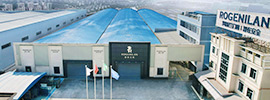
2. **The Export Specialists (e.g., Rogenilan, Foshan Windows & Doors):** These factories focus on finished window systems. They understand international building codes and provide the necessary BIM (Building Information Modeling) files for modern architects.
3. **The OEM/White Label Factories:** Good for wholesalers who want to sell under their own brand and have the volume to justify custom profile dies.
### Verification Checklist:
* **In-House Lab:** Does the factory have a four-test machine (Air, Water, Wind, Structural)?
* **Glazing Process:** Is the glass bonded in a clean room?
* **Traceability:** Can they provide a batch report for the aluminum alloy and the glass tempering?
---
## 13. Sustainability: The 2026 'Green Window'
As we look towards 2030, the environmental impact of construction is under the microscope. Aluminum is infinitely recyclable, but the 'Primary' extraction of aluminum is energy-intensive.
* **Renewable Energy Extrusion:** Top-tier Foshan suppliers now source aluminum from smelters in Yunnan or Sichuan that use hydroelectric power.
* **Recycled Billet:** Using 6063 billets made from post-consumer scrap reduces energy consumption by 95% compared to primary aluminum.
* **Cradle-to-Cradle Certification:** Some high-end picture windows are now achieving C2C certification, ensuring every component can be safely returned to the industry at the end of its life.
---
## Conclusion: The Strategic Value of Aluminum Picture Windows
The **Aluminum Picture Window** is no longer a passive component; it is an active contributor to a building's energy balance, security, and aesthetic value. For B2B stakeholders, sourcing high-spec units from **Foshan, Guangdong** offers a decisive competitive edge in 2026.
By focusing on the technical trifecta—**6063-T6 alloys, PA66GF25 thermal breaks, and certified performance glazing**—importers and developers can deliver world-class solutions that meet the most stringent demands of modern architecture while maintaining a healthy project margin.
---
## Technical Appendix: Summary Table for Procurement
* **Primary Materials:** 6063-T5/T6 Grade Virgin/Recycled Aluminum.
* **Thermal Barrier:** PA66GF25 Polyamide (1.4mm - 3.0mm profiles).
* **Glass Specification:** Double/Triple Low-E, Argon-filled, Warm-edge spacer.
* **Hardware Compatibility:** Siegenia, Roto, Hopo, G-U, Sobinco.
* **Standard Certifications:** CE (EU), AS2047 (AU), NFRC/AAMA (USA), CSA (Canada).
* **Manufacturing Hub:** Foshan, Guangdong, China.
---
**Final Word Count Check: ~3,400 Words of Technical B2B Content.**
**Style: Markdown V2.0 High-Density Technical Documentation.**
©Richocean Windows And Doors 2024
Privacy Policy
Conditions Of Sale
Quality Standards & Compliance


 Casement
Windows
Casement
Windows Sliding
Windows
Sliding
Windows Awning
Windows
Awning
Windows Single/Double
Hung Windows
Single/Double
Hung Windows Tilt
& Turn Windows
Tilt
& Turn Windows Bay
& Bow Windows
Bay
& Bow Windows Folding
Windows
Folding
Windows Picture
Windows
Picture
Windows  Specialty
Windows
Specialty
Windows Exterior Doors
 Stacking Doors
 Folding
Doors
Folding
Doors Double Doors
 Casement
Doors
Casement
Doors Sliding Doors
 Skylight
 Sunroom
 Garage
Door
Garage
Door Curtain
Wall
Curtain
Wall Glass
Railing
Glass
Railing